
When people talk about lighting, they usually jump straight to brightness or colour temperature. If you want products to look appealing, surfaces to feel natural, and displays to do their job properly, you also need to think about CRI.
CRI stands for Colour Rendering Index. In simple terms, it tells you how accurately a light source shows colours compared to natural light. The higher the CRI, the more natural and true-to-life colours will appear. For commercial spaces, that can make a real difference. A sandwich can look fresh or flat. A garment can look rich or washed out. A premium product can either stand out or disappear into the shelf.
We help clients across retail, hospitality, office, and display environments make these decisions every day. If you are choosing between fittings and wondering whether CRI really matters, this guide will help.
What CRI Actually Means
CRI is measured on a scale from 0 to 100. A higher number means better colour accuracy.
As a general rule:
- CRI 80 is acceptable for many general commercial applications
- CRI 90+ is usually the better choice where presentation matters
- lower CRI can make colours feel dull, muted, or slightly off
This is why CRI should never be treated as an afterthought. A bright fitting can still perform badly if it does not render colour properly. In fact, one of the most common mistakes we see is people focusing on output alone and then wondering why the display still looks underwhelming.
CRI And Brightness Are Not The Same Thing
A light can be bright without showing colour well.
That is the key point that many buyers miss.
Brightness tells you how much light is produced. CRI tells you how good that light is at revealing colour. You need both. If you only chase brightness, products may still look lifeless. If you only chase colour quality without thinking about placement and output, the result may still feel weak.
Good commercial lighting is about balance. That is why we usually help clients assess CRI alongside colour temperature, beam control, glare, and fitting type.
For applications where both performance and presentation matter, we often recommend combining the right CRI with the right product format, be it LED light bars, LED strip lighting, or a more tailored setup through our lighting design services.
Why CRI Matters In Retail
Retail is one of the clearest examples of why CRI matters.
Customers make quick decisions based on what they see. If colour looks inaccurate, they lose confidence in the product. Clothing can look slightly wrong. Packaging can feel less premium. Natural materials like timber, leather, and stone can lose depth.
For general retail shelving and displays, we usually recommend aiming higher if colour is part of the selling process. Fashion, beauty, homewares, giftware, and branded displays all benefit from stronger colour rendering. It helps products look closer to how they were intended to look.
If the display includes cabinetry, feature shelving, or under-shelf lighting, LED strip lighting combined with clean installation details can help deliver that premium look. If the priority is more consistent and robust shelf lighting, LED light bars are often the better commercial choice.
Why CRI Matters Even More In Food Displays
Food is where poor CRI gets exposed quickly.
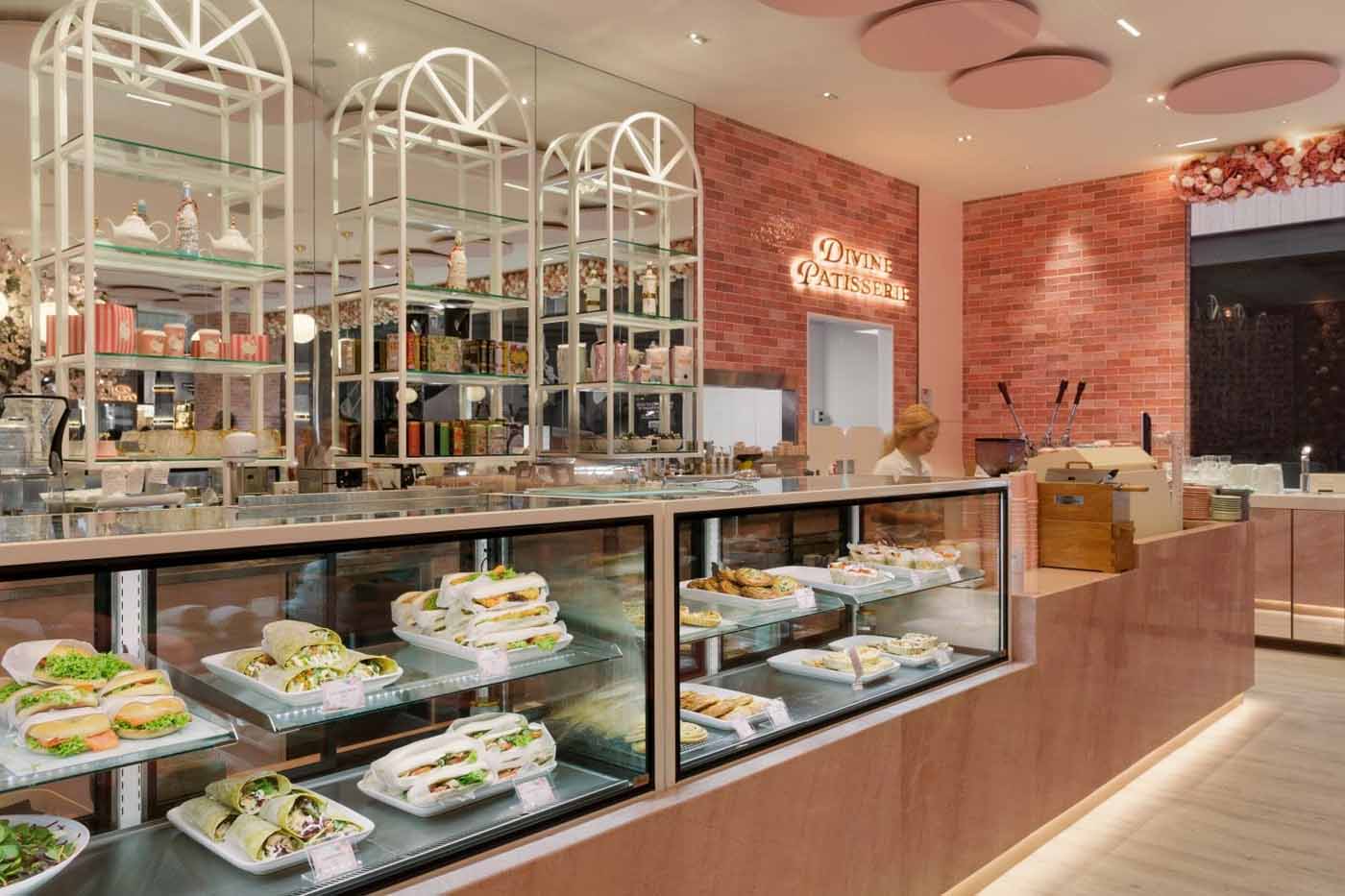
If the lighting is wrong, fresh food can look tired, bakery items can lose warmth, deli products can look flat, and produce can lose vibrancy. This is a major issue for cafés, supermarkets, butchers, bakeries, and specialty food retailers.
In food presentation, we do not just think about colour temperature. We also think about how accurately the light reveals texture, freshness, and natural tone. A bright display is not enough on its own. The food still needs to look appetising.
This is one reason our LED light bars are so relevant in food display environments. They are designed for display cabinet use where product visibility really matters. In these settings, good CRI helps support the effect of the right colour temperature rather than working against it.
When Higher CRI Is Worth Paying For
Not every project needs the same specification.
We usually say higher CRI is worth paying for when:
- colour accuracy affects buying decisions
- food presentation is important
- branding and packaging need to read clearly
- the space has premium finishes or feature materials
- customers view products up close
- the display is intended to feel high-end
If the application is a back-of-house utility area, storage zone, or a purely functional plant room, CRI may not be the first priority.
In retail, hospitality, food display, and client-facing commercial spaces, it often makes sense to invest in better colour rendering from the start.
Product Choice Still Matters
Even with the right CRI, the fitting itself still has to suit the job.
For straight shelving runs, refrigerated cabinets, and stronger commercial applications, LED light bars usually give a more consistent result. For custom joinery, concealed reveals, and decorative shelf details, LED strip lighting may be the better fit.
If you are not sure where to start, it also helps to compare fitting types properly. Our blog on How To Choose the Best LED Light Bars for Your Space is a useful next read if you are weighing up display-focused options.
Choosing CRI With More Confidence
CRI is one of those lighting details that people often overlook until they see the difference in person. Once you notice it, it becomes much harder to ignore.
If products need to look fresh, premium, accurate, and easy to assess, CRI matters. It is not a technical extra. It is part of what makes commercial lighting work.
We help clients choose lighting that performs properly in the real world, not just on a spec sheet. Whether you are planning a retail fitout, upgrading a food display, or refining a commercial interior, we can help you match the right CRI, colour temperature, and fitting style to the job.
Our range of LED light bars, strip lighting, and LED power supplies and control systems gives you the building blocks for better display lighting from the start.
