
Good shelf lighting helps direct attention, improves colour accuracy, reduces visual clutter, and makes merchandise easier to notice from a distance. In retail, hospitality, supermarkets, and showrooms, lighting matters. If products are left to rely on general ceiling lights alone, they often end up sitting in shadow, losing detail, or blending into the background.
At Display Lighting, we help clients solve that problem with purpose-built commercial lighting. The right combination of LED light bars, strip lighting, aluminium profiles, and control gear can completely change how a shelf or cabinet performs.
Here is how to light shelving and display cabinets properly, and how to choose the right products for the job.
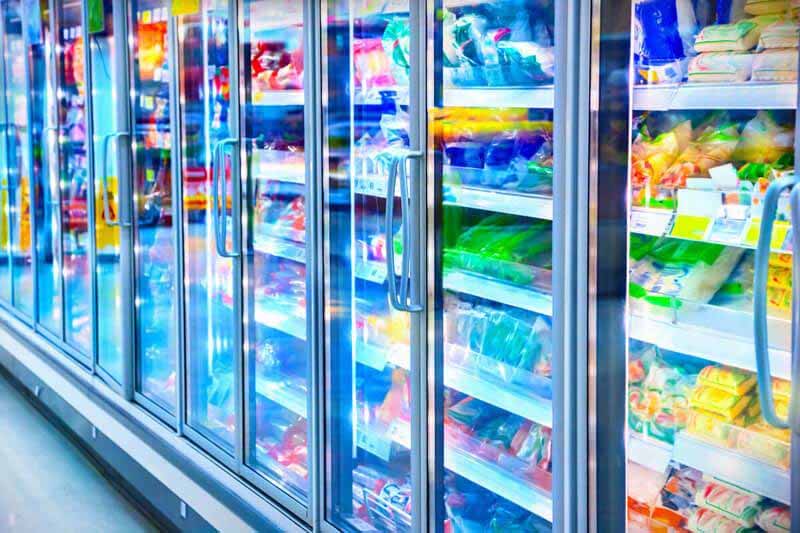
Shelf Lighting Is Different from General Ambient Lighting
One of the biggest mistakes in commercial lighting is assuming that overhead lighting will do everything. It will not.
Ambient lighting is there to light the room. It helps people move through a space comfortably and gives the broader fitout a consistent base level of brightness. Shelf lighting has a different role. It is there to light the product itself.
That means shelf lighting needs to be more targeted, more controlled, and more deliberate. It should reduce shadows, improve visibility at eye level, and create enough contrast to separate products from the shelf behind them.
When a product looks flat or hard to read, the issue is often not brightness overall. It is that the light is in the wrong place.
Start with the Shelf Depth, Product Type, and Viewing Angle
Before choosing a fitting, look at three practical factors:
- how deep the shelf or cabinet is
- what type of product is being displayed
- where the customer will view it from
A shallow glass shelf with cosmetics or electronics needs a different lighting approach from a deep refrigerated food cabinet. In one, glare control is critical. In the other, output, colour temperature, and product freshness are more important.
This is why display lighting works best when it is chosen around the application, not just around wattage.
When to Use LED Light Bars
For many shelving and cabinet applications, LED light bars are the strongest option. They are rigid, consistent, and purpose-built for commercial use. Unlike flexible strip lighting, they hold a straight line, manage heat more effectively, and deliver more even brightness across the full length of the shelf.
We typically recommend LED light bars when:
- the installation is long and straight
- brightness consistency matters across the full shelf
- the space is commercial and high-use
- the cabinet or shelf contains food or merchandise that needs strong presentation
- the fitting needs to be robust and low maintenance
Our EcoFresh LED light bars are a good example. They are designed specifically for display cabinets and food presentation, with options tailored to different product categories. They also provide even illumination without unnecessary heat, which is especially important in refrigerated environments.
When LED Strip Lighting Makes More Sense
LED strip lighting is still an excellent choice when the installation needs more flexibility.
We usually recommend LED strip lighting when:
- the shelf or cabinet has curves or irregular details
- the lighting needs to be hidden within joinery
- the effect is more decorative or architectural
- there are tighter dimensions that do not suit a rigid fitting
- the goal is soft accent lighting rather than stronger task output
LED strips are ideal for under-shelf glow, concealed reveals, joinery features, and decorative cabinet detailing. When installed properly inside aluminium profiles, they can still produce a clean, professional result with good diffusion and improved thermal performance.
In many projects, the best result comes from using both. Light bars handle the main shelf illumination, while strip lighting adds softer feature lighting around the display or cabinetry.
How to Avoid Shadows
Shadows usually happen when the light source is too far back, too high, or too broad.
For shelving, the lighting should usually sit close to the front edge or be positioned so it throws light down and slightly back across the full face of the product. If the fitting is placed too far back, the front of the product may remain dim while the shelf behind it becomes too bright.
This matters especially in retail where labels, textures, and packaging all need to be visible quickly.
To reduce shadows:
- mount the fitting close to the front lip of the shelf where practical
- use a forward-throw or diffused optic where needed
- avoid relying on ceiling light alone
- consider angled aluminium profiles where a strip needs to be directed onto the product face
The aim is simple: the customer should see the product clearly without having to step into the perfect spot.
How to Reduce Glare and Uneven Brightness
Brightness alone is not the goal. Useful lighting is controlled lighting.
Glare is one of the most common issues in glass cabinets, refrigerated displays, and glossy retail products. If the light source is directly visible, it can reflect into the customer’s eyes or bounce off glass and packaging. That makes the display harder to read, not easier.
To reduce glare and patchiness:
- use diffused fittings rather than exposed LED points
- choose opal covers or continuous light sources where possible
- recess strip lighting into aluminium profiles
- avoid overpowering shallow cabinets with unnecessarily high output
- match beam spread to cabinet depth
Uneven brightness is another issue, especially in long runs. This often comes down to poor product choice, incorrect spacing, or voltage drop in strip installations. For this reason, rigid light bars are often easier to control in long shelving runs.
Best Options for Different Display Types
Food Display Cabinets
Food displays need lighting that improves appearance without adding unnecessary heat. This is where EcoFresh LED light bars are especially effective. They offer colour temperatures tailored to product type and are built for demanding commercial environments.
Retail Shelving
For long, straight product shelving, LED light bars often provide the cleanest and most professional result. They are ideal for pharmacies, supermarkets, bottle stores, electronics retail, and showroom shelving.
Showcase Cabinets
For jewellery, collectibles, and high-end retail, lighting needs to be controlled and refined. In these spaces, LED strip lighting installed within aluminium profiles can be excellent for subtle display lighting, especially where sightlines and glare control matter.
Mixed Commercial Fitouts
For projects that include retail shelving, feature joinery, and branded display zones, combining LED light bars with LED strip lighting usually gives the strongest overall result.
Lighting Shelving Properly Makes Products Easier to Sell
Good shelf lighting is not just about aesthetics. It helps products stand out, improves visibility, supports the brand experience, and makes the space feel more considered.
We supply commercial-grade LED lighting solutions to help clients build shelving and display lighting that transforms your space. We can help you choose the right products for your space. For more on choosing display lighting, see our article on How to Choose the Best LED Light Bars for Your Space.
