
Refrigerated displays do not respond well to generic lighting.
Food cabinets need lighting that helps products look fresh, supports the right colour tones, works reliably in chilled conditions, and does not create harsh reflections on glass doors or cabinet fronts. When that balance is wrong, even good product presentation can fall flat.
We work with clients across retail, hospitality, supermarkets, cafés, and specialty food environments, and refrigerated display lighting is one of the clearest areas where the right specification matters. If the goal is better visibility, stronger product presentation, and a more professional cabinet finish, planning the lighting properly from the start is essential.
Why Refrigerated Displays Need Purpose-Built Lighting
Refrigerated environments create their own challenges.
The fittings need to perform consistently in low temperatures. Moisture resistance matters. Heat output needs to stay controlled. The light also needs to look right through glass, across multiple shelves, and over products that are often packaged, reflective, or highly colour-sensitive.
This is why standard general-purpose lighting usually falls short.
Purpose-built LED light bars are often the better option for refrigerated displays because they are designed for commercial cabinet use. They offer a cleaner linear result, better consistency, and more appropriate performance in environments where reliability matters.
Start With The Product Category
Not all food should be lit the same way.
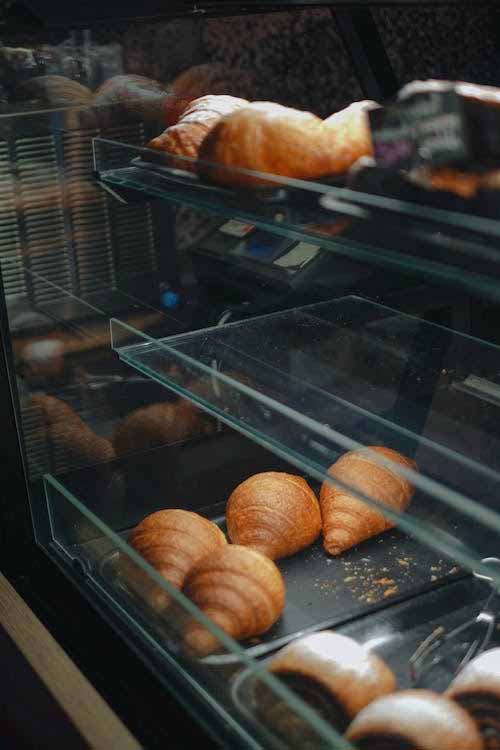
This is one of the biggest planning mistakes we see. A cabinet full of dairy, produce, deli items, or baked goods each responds differently to light. The wrong tone can make food look tired, flat, or less appetising than it really is.
As a general guide:
- bakery products usually benefit from warmer light
- deli displays often suit a warm-neutral tone
- produce needs a cleaner, balanced light that keeps greens looking fresh
- dairy usually benefits from a bright, crisp white
- meat often needs a more specialised treatment to enhance natural red tones
This is one reason our LED light bars are such a strong fit in food display applications. The EcoFresh range is designed specifically around these presentation needs, with colour temperatures suited to different food categories.
Best Colour Temperatures For Different Food Cabinets
A practical starting point looks like this:
- 2700K for bakery and warm display environments
- 3000K for deli-style presentation
- 4000K for produce and balanced food lighting
- 6500K for dairy and brighter refrigerated displays
- pink-toned options where meat presentation needs extra enhancement
These differences matter because food is judged visually before anything else. Customers make quick decisions based on perceived freshness, cleanliness, and colour. Good cabinet lighting helps reinforce those signals instead of working against them.
If you want a broader guide to how light tone affects commercial environments, our guide on How To Choose the Right Colour Temperature for Retail, Office, and Display Lighting is a helpful next step.
Why LED Light Bars Usually Beat Standard Strip Lighting In Chilled Cabinets
Flexible strip lighting still has its place, especially in custom joinery or decorative retail details, but refrigerated cabinets usually demand something more robust.
In most chilled display applications, LED light bars are the stronger choice because they offer:
- more even brightness across shelf runs
- a rigid, stable fitting format
- better heat management
- cleaner installation for commercial environments
- product-specific display options
- reduced maintenance risk over time
They are particularly well suited to supermarket cases, café display cabinets, and professional food shelving where straight runs and consistent visual output are important.
LED strip lighting can still work in some cabinet details, especially where the installation is tighter or more custom, but it usually needs more careful planning around profiles, power injection, and protection.
Do Not Overpower The Cabinet
A brighter cabinet is not always a better cabinet.
Over-lighting refrigerated displays often causes more problems than it solves. Reflections become more obvious, labels become harder to read through glare, and the cabinet can start to feel harsh rather than fresh. This is especially true in shallow cases or glass-door displays where the customer views the product from close range.
Good refrigerated display lighting should be:
- bright enough to define the product clearly
- even enough to avoid patchiness
- controlled enough to limit glare
- matched to the shelf depth and product type
That usually means choosing the right fitting and mounting position, not simply increasing wattage.
Think About Shelf Layout And Viewing Angles
Planning the cabinet properly means thinking beyond the fitting itself.
Ask:
- How deep is each shelf?
- Is the customer looking through glass doors or open shelving?
- Will the fitting be visible from normal standing height?
- Are the products highly reflective?
- Is the cabinet used for one category or mixed stock?
The answers affect where the light should sit and how it should be diffused. If the fitting is mounted too far back, the front of the product may fall into shadow. If it is too exposed, reflections become a problem. In most commercial food displays, the lighting should work with the sightline, not against it.
Moisture Resistance And Reliability Matter
Food cabinets are not forgiving environments.
Condensation, low temperatures, regular cleaning, and long operating hours all put pressure on the lighting system. That is why selecting fittings with the right build quality matters from the start. Commercial display lighting should be able to handle the environment without becoming a maintenance issue.
This is another reason our LED light bars are widely used in refrigerated and food presentation settings. They are built for this type of application rather than adapted into it.
Plan The Driver And Control Side Early
Cabinet lighting is only as reliable as the system behind it.
Too often, power and control are left until late in the project. That leads to awkward driver placement, limited control options, and more difficulty balancing brightness once the cabinet is stocked.
Planning LED power supplies and control systems early makes the entire installation cleaner and more stable. It also gives you more flexibility if dimming, zoning, or future changes are required.
In longer runs or multi-cabinet installations, this becomes even more important.
Refrigerated Display Lighting Should Make Food Easier To Sell
The best food cabinet lighting makes the product look like the best version of itself.
It should help customers see freshness quickly. It should support colour accuracy, improve shelf visibility, and feel clean and intentional. It should not create distracting reflections or harsh hotspots that undermine the display.
We work with commercial clients who need display lighting to perform properly, not just look acceptable on day one. Our range of LED lighting products helps us tailor refrigerated display solutions around the food, the cabinet, and the environment.
If you are planning a chilled display upgrade or a new food cabinet fitout, the right lighting specification will pay for itself in presentation, consistency, and stronger product visibility.
